
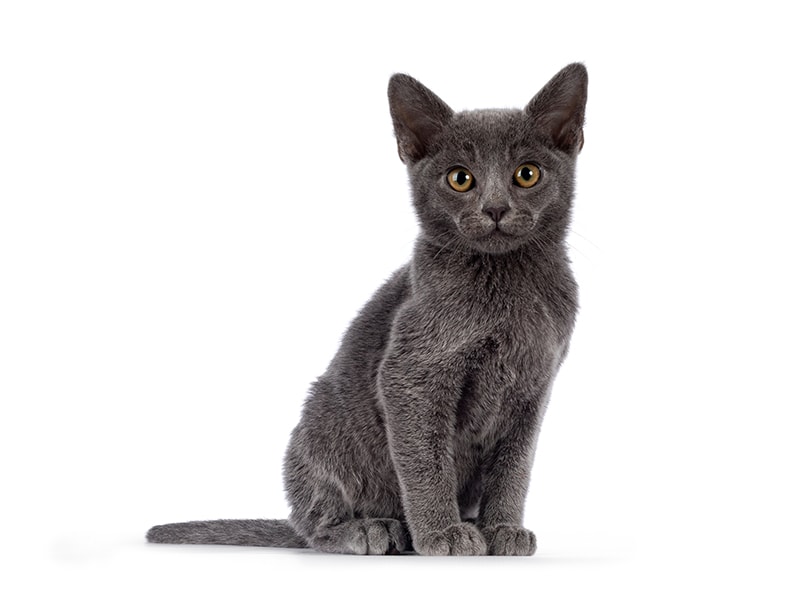
Cats are one of the most popular pets in the world, yet not everyone feels the same way about them. While some people see cats as loving companions that bring comfort and joy, others find them difficult to live with or simply not their preference. These different opinions often come from personal experiences, allergies, or lifestyle choices. By exploring both perspectives, readers can better understand why opinions about cats vary and why those viewpoints matter.
Cats have been part of human households for thousands of years and are known for their independence, curiosity, and calm nature. Today, millions of families own cats, and many people believe their pets help reduce stress and improve mental health. However, cats are not the perfect pet for everyone. Some individuals struggle with allergies, behavioral concerns, or simply prefer more energetic animals like dogs. To better understand these differing opinions, two individuals with very different experiences with cats were interviewed.
One person who strongly values cats is Aliett Tom, a cat owner and volunteer at an animal shelter. Aliett explained that her love for cats began when she was young. “I was always fascinated by cats as a kid and wanted a companion that was playful but independent,” she said. For Aliett, cats provide companionship while still allowing personal space, which she believes makes them appealing to many people.
Aliett emphasized that responsible care plays an important role in having a positive experience with cats. She ensures her pets receive regular veterinary checkups, healthy food, and plenty of toys to keep them active and entertained. She also shared a funny memory that shows the playful personality of cats. “One of my cats once tried to hide in a paper bag, and it kept falling over—it was so silly!” Moments like these, she explained, bring laughter and joy into everyday life.
Beyond entertainment, Aliett believes cats can positively affect mental health. “Cats are great stress relievers; just petting them can calm you down and make you happy,” she explained. Many people agree that pets provide emotional comfort and companionship. Aliett advises anyone thinking about adopting a cat to carefully consider the responsibility involved. “Make sure you’re ready for the responsibility—they need care, attention, and love, but it’s so worth it,” she added.
In contrast, Tammara Benny has a very different perspective. Tammara does not like cats and prefers dogs instead. One of the main reasons for her opinion is allergies, which make it uncomfortable for her to be around cats. She also feels that cats are less interactive compared to other pets. “Cats can be comforting for some people, but I prefer pets that are more interactive, like dogs,” Tammara said.
Although Tammara understands why others enjoy cats, she personally would not want one in her home. She has seen friends deal with constant cleaning, litter box maintenance, and scratched furniture, which has influenced her opinion. Her viewpoint highlights that disliking cats often comes from real experiences rather than simple dislike. Different lifestyles and health concerns can strongly affect the type of pet a person chooses.
Comparing these two perspectives shows how personal experiences shape opinions about animals. For some people, cats offer comfort, companionship, and emotional support. For others, allergies or personal preferences make cats less appealing. As one perspective suggests, understanding different experiences helps people respect why others feel differently about pets.
In conclusion, cats can be loving companions for some people while being unsuitable pets for others. This topic matters because it reminds readers that personal experiences influence opinions and that respecting different viewpoints is important. Whether someone loves cats or prefers another type of pet, both perspectives are valid. This final thought leaves readers with a reminder that empathy and understanding are just as important as personal preference.