
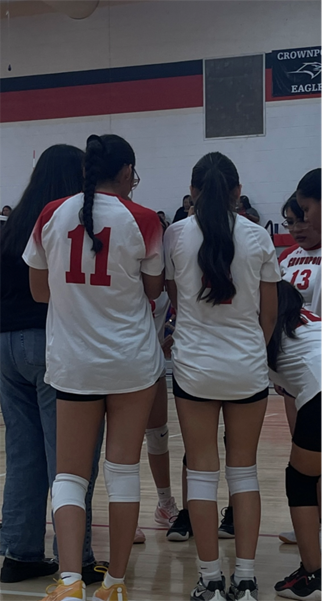
For many students, sports are more than just an after-school activity—they are a place where young athletes discover discipline, confidence, teamwork, and the motivation to become better versions of themselves. Whether on the court, on the field, or in the gym, sports shape how student athletes learn to set goals, push through setbacks, and strive to reach their full potential. These lessons stay with them long after the season ends and often help them succeed both in and out of school.
Around the world, and in schools like Crownpoint High School, countless athletes have found opportunities for growth through sports. From local youth teams to professional leagues, athletics have helped people of all ages reach their goals. Sports teach discipline, teamwork, determination, and other valuable lessons that extend far beyond the game itself. With every win, loss, and challenge, athletes learn resilience and build character that guides them through life.
One of the most important lessons athletes gain is discipline. Discipline is what pushes them to practice daily, stay focused, manage their time, and overcome tough challenges. A Crownpoint High School volleyball player, Zoey Arviso, explained, “I’ve learned to not give up and to always push through. You’ll always have your ups and downs but always look at things in a positive way.” Her words show how discipline helps athletes stay strong even when the season gets difficult.
Teamwork and communication also play a major role in athletic success. When players learn to support one another and solve problems together, they build stronger relationships and become more effective on the court or field. Many Crownpoint student athletes emphasize how important communication is to their success. Alexander Platero, a Varsity/JV football player, said, “It is always good to have people by your side and have communication.” His experience reflects how athletes rely on one another to achieve their goals and stay motivated.
Research also shows that sports participation boosts academic performance and strengthens life skills. Studies have found that student athletes often develop better time management and focus, which helps them balance homework, practices, and games. For example, research published by the American College of Sports Medicine reported that student athletes are 20–30% more likely to have strong time-management skills, which contributes to improved academic outcomes. This demonstrates that the habits learned in sports are directly connected to success in the classroom.
Discipline continues to shape athletes throughout their daily routines. Students who play sports must learn to follow schedules, meet deadlines, and stay consistent even when they feel overwhelmed. Many athletes wake up early for school, complete homework during study hall, and stay after school for practices or games. Zoey also explained how she manages her responsibilities: “I balance school, sports, and my personal life by staying on top of my work in class. If I do slack off, I usually make time at home or early in the morning.” Her commitment shows how athletes develop responsibility and strong habits that support both academic and athletic success.
Sports also teach valuable life lessons like determination and resilience. Athletes quickly learn that success does not come easily—it requires effort, patience, and persistence. Every practice and game teaches them the importance of pushing through setbacks and improving little by little. A student athlete attending Crownpoint High School named Carly Martin relates to this and said, “Sports taught me that success takes persistence and hard work. Pushing through setbacks and learning from losses helped me build confidence and a strong work ethic that I carry into other parts of my life.” Even after tough losses, determined athletes continue to work hard and strive to do better next time. These habits build confidence and a strong work ethic that students carry into adulthood.
It is also important to remember that sports offer more than just personal growth—they create lasting friendships and a sense of community. Teammates support one another through victories and losses, forming bonds that can last a lifetime. These relationships help athletes learn how to trust others, communicate effectively, and work toward shared goals.
In the end, sports are not just about winning trophies or medals. They teach discipline, teamwork, confidence, and resilience—skills that last long after the final whistle. The lessons athletes learn on the field or court guide them through school, work, and life. Through every challenge, setback, and moment of triumph, athletes discover their strengths and learn how to overcome failure. Sports help shape who they become. In the end, the greatest win in sports isn’t the awards—it’s the person the athlete strives to be.